The post-pandemic office is not about desks and meeting rooms. It is about creating spaces that support how people actually work — and the truth is that hybrid work has changed what "work" means. The office must now earn its place.
We have designed corporate headquarters, co-working spaces, and boutique studios across Nairobi. The projects that succeed are the ones that understand the office as a destination, not an obligation.
"The best offices are not designed for productivity. They are designed for the moments between productivity — the conversations that spark ideas."
— Michael James, on workplace designUnderstanding the New Brief
When clients come to us for office design, we ask different questions than we used to. We no longer ask how many desks we need. We ask: what can people do in the office that they cannot do at home?
The answer is usually collaboration, connection, and culture. The office is where you bump into someone and have a conversation that leads somewhere. It is where new hires absorb the culture of the organisation. It is where teams build trust.
So the design must support those activities. That means fewer assigned desks and more varied spaces: quiet zones for focused work, breakout areas for informal meetings, and larger spaces for all-hands gatherings.
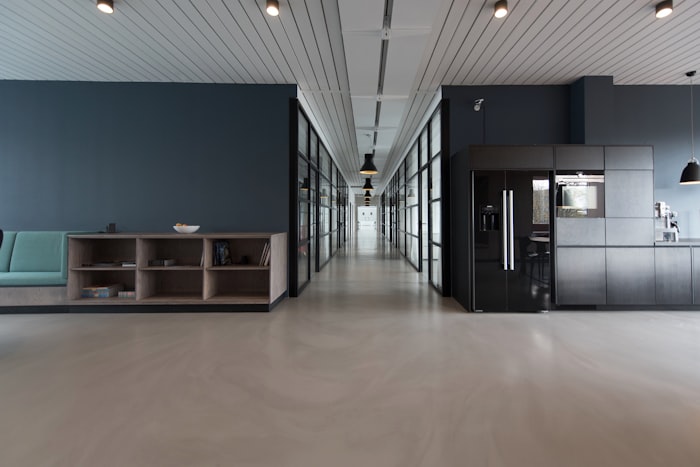
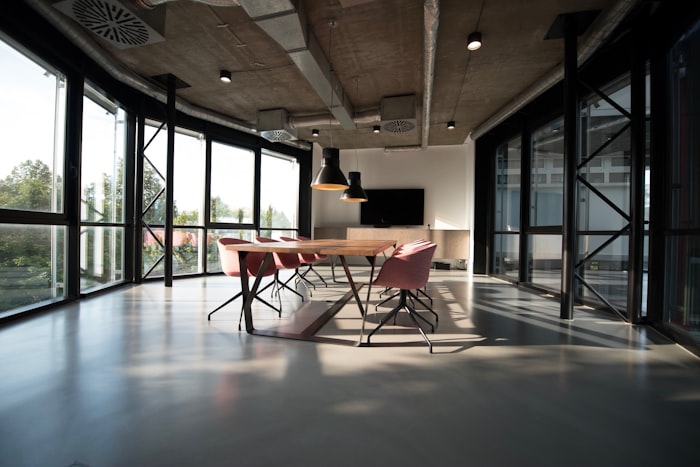
The Upperhill Office HQ — collaborative zones designed for the conversations that happen between formal meetings.
The Material Language of Work
Office design has often defaulted to the generic: grey carpets, white walls, fluorescent lights. We believe the workplace deserves the same attention to material and light as the home.
Natural materials — wood, stone, sisal — create warmth. They reduce the institutional feel. They signal that the organisation values the people who work there.
Principles for Offices People Want to Work In
- Design for collaboration first — the office must earn its place.
- Provide variety: quiet zones, breakout areas, and social spaces.
- Prioritise natural light — access to daylight improves wellbeing.
- Use materials that create warmth — avoid the generic corporate aesthetic.
- Include outdoor spaces — terraces, courtyards, gardens.
- Support hybrid work — good video conferencing in every meeting space.
The Reveal of a New Workplace
When we completed the Upperhill Office HQ, the client's team had been working from home for eighteen months. The first day back in the new space was a revelation.
People lingered. They explored. They found corners they had not known they needed. The design had created not just a place to work, but a place to want to be.
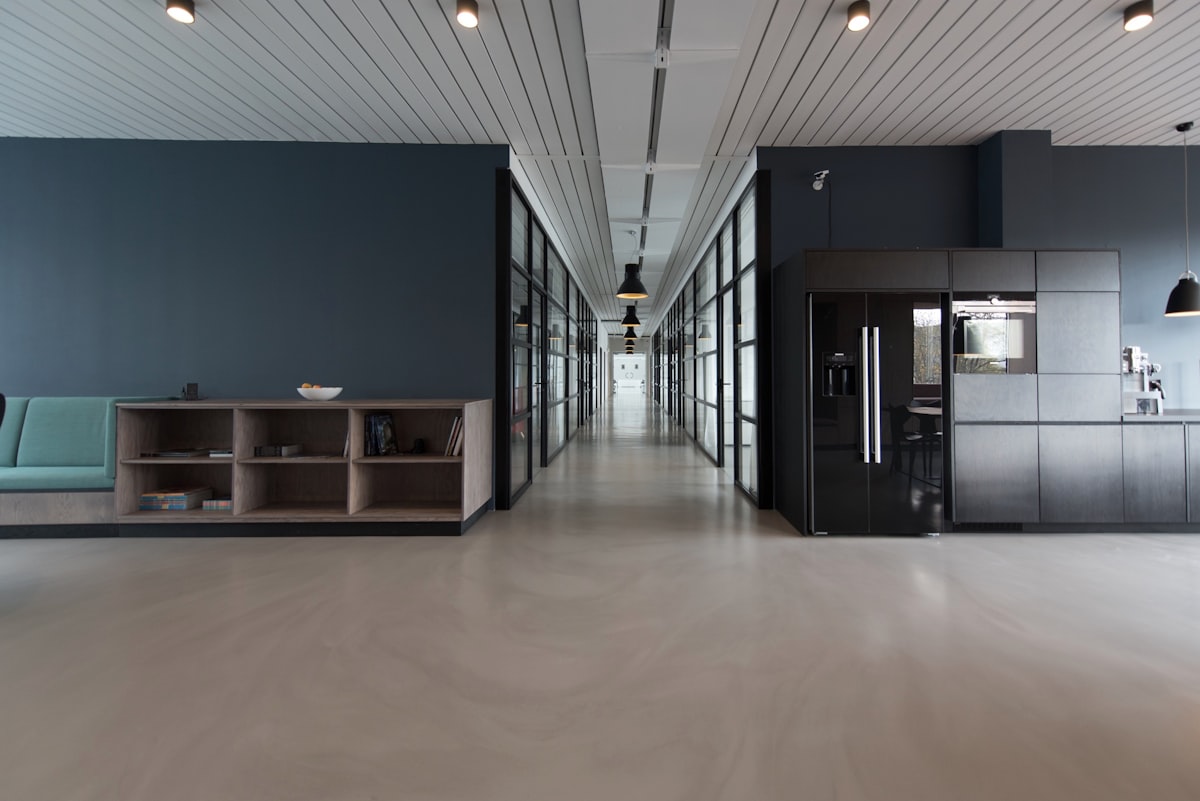
The main collaborative zone — designed for the moments that happen between productivity.
What This Taught Us
Every office project teaches us something. The best workplaces are not the most expensive. They are the ones where people choose to show up.